
Why Is Your Car Leaking Fluid?
Overview
In this blog, Master Auto Care explains how to identify common automotive fluid leaks, what causes them, and when they require immediate attention or professional repairs.
Highlights
- Identifying the fluid beneath your car
- Common causes of fluid leaks
- Recognizing serious leaks
- Understanding fluid leak repairs
Introduction
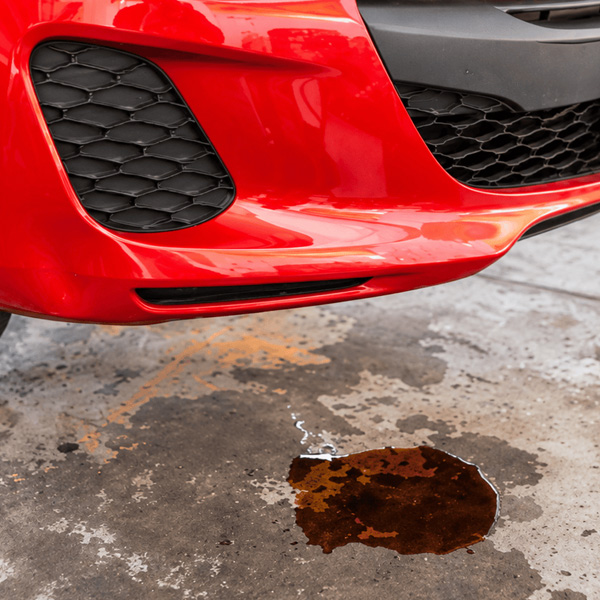
You notice a dark patch where your car was parked overnight. Is something leaking, or was the stain already there? While some puddles are harmless air conditioning condensation, others can indicate mechanical problems that require attention.
Understanding what different automotive fluids look like, where leaks occur, and which warning signs matter can help you identify potential problems and make informed decisions about repairs.
What Kind of Fluid Is Leaking From Your Car?
The appearance of a puddle can offer clues about its source. Clear water beneath the passenger side after running the air conditioner, for example, may simply be condensation draining from the system.
That's normal operation, particularly during humid weather.
Other liquids deserve closer attention because they support essential vehicle functions. Engine oil lubricates moving parts, coolant regulates temperature, and brake fluid transfers the hydraulic pressure needed for braking. Losing these fluids can affect how the vehicle operates and may indicate a problem requiring car repair.
The circumstances surrounding the puddle also matter. Water appearing after AC use is different from liquid that collects beneath a parked vehicle every morning, regardless of whether the air conditioning has been running. Noticing when the puddle forms can help narrow the possibilities.
What Should You Look For?
Before trying to identify a fluid leak, pay attention to when the puddle appears, how much liquid is present, and whether your vehicle is showing other symptoms. With your car safely parked, check the following:
- Puddle location: Note where the liquid appears relative to your vehicle.
- Fluid appearance: Observe its color and whether it looks watery or oily.
- Amount of fluid: Look for a few drops, a persistent stain, or a growing puddle.
- Timing: Check whether the liquid appears after driving, running the air conditioner, or leaving your vehicle parked overnight.
- Other symptoms: Watch for warning lights, overheating, unusual noises, or changes in braking and steering.
These observations can help narrow down the possibilities, although they won't always identify the source. Some leaks occur only when components become hot or pressurized, while others leave residue without forming a visible puddle.
What Do Different Automotive Fluids Look Like?
These characteristics can help you identify the fluid beneath your car:
- Water: Clear and thin, typically associated with air conditioning condensation
- Engine oil: Amber when fresh, becoming dark brown or black with use, with an oily consistency
- Coolant: Often green, orange, pink, or yellow, depending on the product
- Transmission fluid: Commonly red or pink when fresh, potentially darkening to brown with age
- Brake fluid: Usually clear to amber, sometimes becoming darker as it ages
- Power steering fluid: Often amber or reddish, depending on the hydraulic fluid used
- Windshield washer fluid: Usually blue, green, or another color, with a watery consistency
- Gasoline or diesel fuel: Generally clear to pale yellow or amber, with a distinctive petroleum odor
- Brake fluid leaks: Losing hydraulic pressure can reduce braking effectiveness or cause brake failure.
- Fuel leaks: Escaping gasoline or diesel can create a fire hazard, particularly near hot engine or exhaust components.
- Severe coolant leaks: Losing coolant can cause the engine to overheat, potentially damaging the cylinder head, head gasket, or other internal components.
- Significant engine oil leaks: Insufficient lubrication can cause excessive friction, overheating, and serious engine damage.
- Major transmission fluid leaks: Low fluid levels can interfere with transmission operation and cause internal components to overheat or wear prematurely.
Fluid colors vary by product and age, so appearance alone can't confirm what's leaking. Avoid touching or directly smelling unidentified liquid, especially if you suspect fuel.
What Can the Location of a Fluid Leak Tell You?
Where a puddle appears can help narrow down the source. A stain beneath the engine might involve oil or coolant, while fluid farther back could come from the transmission. However, vehicle layouts vary, and liquid doesn't always fall directly beneath the failed component.
Oil may run down an engine block before dripping, while airflow can spread fluid across the underside of a moving vehicle. A leak near the top of an engine, for example, might leave a stain near the bottom because the oil follows surrounding surfaces. A mechanic may need to inspect components above and around the stain to identify the source.
Why Do Cars Develop Fluid Leaks?
Automotive fluids move through hoses, pipes, seals, and mechanical assemblies. These components experience temperature changes, vibration, and operating pressure, which contribute to wear over time. Corrosion and road damage may also create openings where fluid escapes.
Repeated heating and cooling can make rubber hoses brittle or cause seals to lose flexibility. Connections may deteriorate as vehicles age, allowing fluid to seep through previously sealed areas.
Engine Oil Leaks
Oil can escape around valve cover gaskets, oil pans, filter housings, or worn seals. You may notice dark spots beneath the engine after parking, although oil can travel along surrounding components before reaching the ground.
Gaskets seal the joints between engine components, but they can deteriorate with age and heat. A worn gasket may need replacement, while a damaged oil pan requires a different repair. Adding oil can temporarily correct a low level but won't stop the leak.
Coolant Leaks
Coolant can escape through deteriorated hoses, cracked reservoirs, damaged radiators, or leaking water pumps. Some leaks appear only after the engine warms up and the cooling system builds pressure.
A colored puddle near the front of your car may indicate a coolant leak, even if the temperature gauge appears normal. As coolant levels drop, the risk of overheating increases. The repair depends on which component has failed, and continued overheating can cause additional engine damage.
Transmission, Brake, and Steering Fluid Leaks
Transmission leaks may develop around seals, fluid pans, or cooler lines. As transmission fluid levels drop, shifting problems and increased wear can develop.
Brake fluid leaks are concerning because the braking system relies on hydraulic pressure. Fluid loss can reduce braking effectiveness, and damaged lines, hoses, or other hydraulic components may need repair or replacement.
Vehicles with hydraulic power steering can develop leaks around hoses, pumps, or steering racks, although many newer vehicles use electric steering systems without hydraulic fluid. Fluid loss may eventually reduce steering assistance.
When Should You Worry About a Car Fluid Leak?
The seriousness of a leak depends on the fluid involved, how quickly it's escaping, and whether the vehicle is showing related symptoms. A slow engine oil seep doesn't necessarily present the same immediate risk as a brake fluid leak, even if both leave small stains.
The amount of fluid on the ground isn't always an accurate measure of the problem. A vehicle can lose fluid while driving without leaving a large puddle where it's parked. Changes in performance and dashboard warnings deserve attention alongside visible leaks.
Which Leaks Mean You Should Stop Driving?
Some fluid leaks can make continued driving dangerous or cause serious mechanical damage.
You should stop safely and arrange assistance if you suspect any of the following:
Don't continue driving if you suspect compromised brakes, an active fuel leak, or severe fluid loss. Shut off the engine if it's overheating or displaying a low oil pressure warning, and never open a hot, pressurized cooling system.
Can a Small Leak Wait?
Sometimes. A minor oil seep may be suitable for scheduled repair if the fluid level remains correct and a mechanic determines the vehicle can operate safely.
A suspected brake fluid leak is different because even limited fluid loss can compromise braking. The size of a stain alone shouldn't determine whether you continue driving, particularly when the affected system is unknown.
How Do Mechanics Fix Car Fluid Leaks?
The repair needed to stop a fluid leak depends on which part has failed. A mechanic may replace a deteriorated hose, install a new gasket, repair a damaged fluid line, or replace a leaking component. The work varies according to the system involved and how accessible the affected part is.
A leaking radiator hose may be replaced without changing the radiator itself. A damaged radiator, on the other hand, may need to be replaced. Certain engine seals can also require more extensive disassembly.
The goal is to repair the source rather than replace unrelated components.
The condition of surrounding parts can also influence the work. If a hose has deteriorated with age, nearby connections may need inspection for similar wear. Components in good condition don't automatically need replacement just because another part has failed.
What Happens After the Leak Is Repaired?
Depending on the system, repairs may require refilling, bleeding, or pressure testing. Brake systems need bleeding to remove trapped air, while cooling systems may require refilling and air removal according to manufacturer procedures.
Mechanics also check for continued leakage, sometimes using pressure tests to verify that the cooling system holds pressure. If fluid levels were dangerously low, they may inspect for related damage to ensure the system functions correctly.
Get the Right Repairs for Your Car's Fluid Leak
A puddle beneath your car isn't always cause for alarm, but identifying what's leaking matters. Water condensation may be normal, while leaks of oil, coolant, brake fluid, or transmission fluid may require repairs.
Master Auto Care provides car repair services for foreign and domestic vehicles, including engine, cooling-system, brake, and other mechanical repairs. Our team repairs leaking hoses, damaged components, and other mechanical problems affecting these systems.
If you've noticed fluid beneath your vehicle, call (281) 580-1047 to arrange car repair and have the source of the leak investigated.